
Washington Exterior House Washing Guide: Protecting Siding from Northwest Mold and Algae
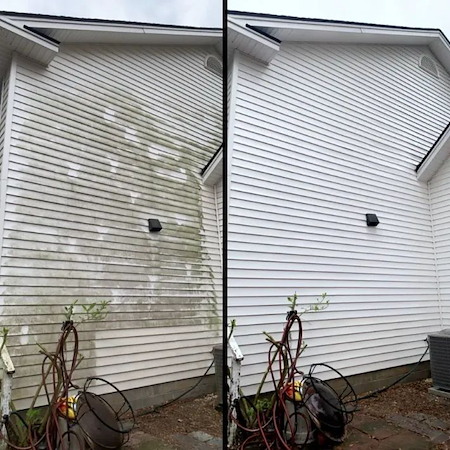
Welcome to your Washington house washing guide. If you live anywhere from the coast to the foothills, you know the Pacific Northwest rewards us with green views and long wet seasons. That same damp weather feeds mold, mildew, and algae on siding. This post explains how professional exterior soft wash home cleaning in WA keeps vinyl, fiber cement, and cedar looking great while protecting your walls.
Why Washington Siding Attracts Mold and Algae
Moist marine air, frequent drizzle, and shaded lots create the perfect film of moisture on siding. When pollen and dust stick to that film, algae and mildew use it as food. Homes with big trees, north-facing walls, or low winter sun see green growth the fastest. West of the Cascades, this can show up in months. East of the mountains, it takes longer, but spring rains and irrigation still cause buildup on shaded surfaces.
Left alone, growth makes paint look dull, creates slick steps, and traps moisture against trim. It can also spread to soffits and around window trim where sealant lines are hardest to clean. Annual or semiannual washing removes the film so your siding can dry after storms.
Soft Wash vs. High-Pressure Washing: What Protects Your Home
House washing sounds like one task, but there are two very different approaches. High-pressure cleaning blasts water at the surface to scour dirt. Soft washing relies on low pressure to apply cleaning solutions that break the bond between growth and the siding, then rinses gently.
On siding, power alone is risky. High pressure can drive water behind laps, up under butt joints, and through trim seams. That can wet your sheathing, insulation, or wall cavities. It can also scar wood grain and lift paint. Soft washing does the opposite. The cleaner does the work. A wide fan rinse carries the residue away without forcing water where it does not belong.
Avoid blasting high pressure directly at siding seams or under courses. Ask for a soft wash house washing process that favors chemistry, dwell time, and controlled rinsing. This protects sealant lines, light fixtures, and your home’s interior walls.
What To Expect From A Professional House Washing Visit
A quality pressure washing company will map the project with you before the first hose is turned on. They should inspect siding type, paint condition, and drainage. They will note plants, outlets, cameras, and entry points. Good prep and protection make the biggest difference in results.
- Walkthrough to identify siding materials, oxidized paint, and delicate trim.
- Covers and tape for keyholes, doorbells, and smart cameras as needed.
- Watering and tarping for sensitive landscaping, then rinsing after the wash.
- Sealing or covering outdoor outlets and fixtures to keep water where it belongs.
- Setting gentle application pressure and choosing the right cleaner for your surfaces.
- Final rinse from the top down to remove residue and leave an even finish.
Confirm that plants are pre-rinsed and covered, and that outdoor outlets are protected before any cleaning begins. This simple step prevents leaf burn and keeps water out of electrical boxes.
Surface-Specific Care: Vinyl, Fiber Cement, and Cedar
Not all siding responds the same way to cleaning. The tools and cleaners change with the surface so you get a clean wall without damage.
- Vinyl siding. Soft wash is the standard. It removes oxidation streaks and is best for removing green algae from vinyl siding in the Pacific Northwest. Light agitation with a soft brush at seams can help with heavy growth, followed by a low-pressure rinse.
- Fiber cement. Manufacturers typically recommend low pressure and non-abrasive cleaners. Gentle application and a controlled rinse protect paint and caulk lines. Avoid abrasive pads that can dull the finish.
- Cedar and other wood. Wood needs special care. A soft wash formula tuned for organic growth is applied, then rinsed carefully to protect the grain. Overly strong solutions or pressure can raise fibers or create striping.
Gutters, soffits, and trim collect the same spores that settle on walls. A complete house wash includes these areas so new growth does not drip back onto clean panels after the next rain.
Timing matters in Washington. Schedule your house wash before peak pollen and spore season in late spring, or right after fall leaf drop, so the surface stays clean longer and your landscaping is less stressed.
How Soft Wash Chemistry Works Without Risky Pressure
Soft wash solutions target the root of organic staining. Biodegradable surfactants loosen the film and help the cleaner cling to vertical panels. Algaecides and mildewcides labeled for exterior surfaces neutralize growth at the source. Low-pressure application lays down an even coat, and controlled dwell time does the rest. A rinsing step removes the residue and leaves a bright, even finish.
Because the cleaner is doing the work, the technician can keep the pressure low and the spray angle wide. That reduces the chance of water being pushed behind siding or around gaskets. It also protects window seals and decorative trim details common on Northwest homes.
Washington Weather Timing: When To Wash For Lasting Results
In coastal zones and the Puget Sound corridor, growth speeds up in late winter when days are cool and damp. Many homeowners book a wash in late spring so the surface stays clean through summer. In mountain foothills and river valleys, shaded walls often need attention twice a year. East of the Cascades, one thorough visit each year often covers it, with spot care on the north side if irrigation mist reaches the wall.
Choose a dry window with light wind. The surface should be cool to the touch. That helps the cleaner dwell evenly so it can break the bond between growth and siding without drying too fast. Ask your provider to check the forecast and plan for a finish rinse before any afternoon breeze kicks up.
Preparing Your Property: What To Ask Your Contractor To Handle
There is no need to do the work yourself. A skilled crew will cover prep. Your job is simply to let them know about irrigation timers, pet doors, or recent paint. Then they can protect the home and finish efficiently.
Ask your crew to manage these items before cleaning begins:
- Turn off or cover exterior electrical outlets and fixtures during the wash.
- Shield delicate plants with breathable covers, then rinse everything thoroughly afterward.
- Tape or cover door thresholds and letter slots to keep rinse water out.
- Close windows firmly and check weatherstripping on older sashes.
- Confirm safe routing for hoses to avoid tripping near steps and walkways.
Request low-pressure application for cedar and vinyl, and verify the cleaner is appropriate for your paint or stain system. This helps maintain your finish and protects caulked joints around trim.
Choosing A Pressure Washing Company You Can Trust
Look for a provider that specializes in soft washing for homes, not just flatwork pressure. They should explain exactly how they will protect outlets, window seals, and garden beds around your house. Ask what they do differently for vinyl, fiber cement, and cedar. A thoughtful plan means they understand materials and the way our climate speeds up organic growth.
Reputable companies often recommend a maintenance interval rather than a one-time clean. That cadence changes by neighborhood and exposure. It might be every 12 months for a sunny lot or twice a year for a shaded coastal property. This approach is more effective and less intrusive than waiting for heavy buildup.
Results To Expect From Professional House Washing
After a proper soft wash, siding looks brighter and more even. Green films and dark mildew shadows clear away. Trim lines that looked tired regain contrast. Because the process targets the source of staining, the clean look lasts longer than a quick water-only rinse. Many homeowners notice cleaner windows and fresher curb appeal across the entire facade.
If your paint is older and oxidized, washing can remove the chalky layer so color looks more true. It will not fix peeling or failed caulk, but it prepares the surface for future maintenance. That means paint and sealant upgrades can bond better later.
Answers To Common Washington Concerns
Is soft washing safe for gardens? With proper pre-wetting, plant-safe practices, and a final rinse, landscaping should look great after service. Will there be strong odors? Any scent fades quickly outdoors. What about cost? House soft washing cost in Washington varies by home size, material, and season. A brief site visit is the simplest way to provide a clear, written scope.
What about heavy moss or lichen on older trim? The crew may apply a targeted cleaner and allow extra dwell time. Patience prevents damage. Your provider should also explain which stains are organic and which are rust or tannins. Different stains need different solutions, and a professional plan makes sure the right method is used on each spot.
Long-Term Protection After Your Wash
Once your siding is clean, keep it that way longer by reducing shade right at the wall. Trimming shrubs a few inches off the surface lets air flow and speeds drying after rain. Clean gutters and downspouts so overflow does not streak walls. Ask your provider about a gentle maintenance rinse at pollen peak or after leaf drop so new growth has less to feed on.
For commercial buildings with wide eaves, schedule a periodic soft wash on the north and east exposures where algae shows first. Consistent care lowers lifetime maintenance and keeps signs, walkways, and entries looking welcoming regardless of the season.
Ready For A Cleaner, Healthier Home Exterior?
Ready for Washington house washing that protects your siding and keeps algae away longer? Call SuperSonic SoftWash LLC at 253-214-9274 to schedule a soft wash that respects your materials and your landscaping. We are a pressure washing team that treats siding gently, focuses on prevention, and plans every step around your property’s needs.
Ask for a written soft wash process that details plant protection, outlet sealing, and low-pressure rinsing. Clear expectations lead to predictable results and a brighter home that stands up to Pacific Northwest weather.
From removing green algae on vinyl siding to refreshing painted fiber cement and caring for cedar, our approach is built for this climate. This Washington house washing guide is your starting point. When you are ready, choose a team that understands how moisture moves, how growth starts, and how to stop it without risking your walls. SuperSonic SoftWash LLC is here to help.
Request Your Quality Bellevue Pressure Washing Services Today!